Parish Magazine – March

22 02, 2023

What is a Parish Council?
A parish council is a local authority that makes decisions on behalf of the people in the parish and has an overall responsibility for the well-being of its local community.
It is the level of government closest to the community, with the district authority next above it in the hierarchy. As the authority closest to the people, parish councils are invariably the first place people will go with concerns or ideas. For this reason, they are a vital part of any community.
Parish Council work falls into three main categories:
Why become a Parish Councillor?
If you live in a community where something ‘big’ has happened, you’ll know that when people in the community need support and guidance, it is sometimes the parish council that is turned to.
By becoming a parish councillor, you become someone your community will look to for help, guidance and support: a community leader with the power to influence decisions for the benefit of the people you serve.
Seeing your community change for the better, as a result of decisions you have helped make, is something that can give you a sense of achievement and pride.
What decisions do Parish Councils make?
Parish councils make all kinds of decisions on issues that affect the local community. Probably the most common topics that parish councils get involved with are planning matters (they are statutory consultees), crime prevention, helping local groups, managing open spaces and campaigning for and delivering better services and facilities.
It’s true to say that on their own, parish councils have limited powers to make decisions. But they do have the ability to negotiate with, and the power to influence, those other organisations that do make the final decisions (such as the district or county councils, health authorities, police etc).
In this respect parish councils are extremely powerful. The organisations that make the final decisions know that a parish council gives the best reflection of how a community feels about something, and its views will be taken seriously.
How much time does it take up?
Our council meets once a month for the council meeting, to which members of the public are also invited. Meetings usually last two hours, depending on the agenda. In addition to this, much of the work is done through emails including discussing planning applications and progressing local projects. Occasionally, an additional meeting may be convened when a decision is needed on a particular urgent issue.
How long does a parish councillor serve for?
Once elected, parish councillors sit on the council for a period of four years until the next election, unless they resign beforehand.
Am I eligible to be a Parish Councillor?
To serve as a Parish Councillor you have to be:
You cannot stand for election if you
What powers do parish councils have?
They have a wide range of powers which essentially related to local matters, such as looking after community buildings, open space, allotments, play areas, street lighting, bus shelters, car parks and much more. The council also has the power to raise money through taxation, the precept. The precept is the parish council’s share of the council tax. The precept demand goes to the billing authority, the district council, which collects the tax for the parish council.
Don’t take our word for it!
The best way to find out what it’s like to be a parish councillor is to talk to someone who’s doing it now.
Come along to a parish council meeting or speak to one of our councillors and find out what they think of the job.
20 02, 2023

Coming soon to a village hall near you – the annual offering from HAMS (the Hagbourne Amateurs) is sure to be a feast of farmyard fun. It’s the story of the little pig that could, and has something for all the family.

Owing to needing more space on the stage there are less tickets this year, so please don’t leave it too late to get yours.
As the poster says, tickets are available in the Hagbourne Community Shop or by phoning the box office, or you can buy online (small booking fee applied) and to make that even easier, you can get there by scanning the QR code below.
See you in March!

01 02, 2023
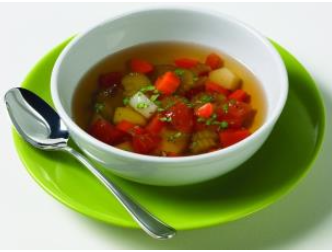
Lent Lunches at St Andrew’s
There will be Soup Lunches served at St Andrew’s church on Saturdays between 12:30 – 2:00 during Lent from the 25th February – 1st April (inclusive).
The lunch will consist of homemade soup, fresh bread and cheese, fruit and/or cake plus a cup of tea or coffee. If there is anyone who would like to run one or more of the Lent Lunches there will be a sign-up sheet in church or you can contact me, Shirley Goss, on 01235 815605 or e-mail shirley.goss@btinternet.com You are welcome to run a lunch in aid of a charity of your choice but we would ask for a small donation to the church. I can provide an information sheet
re: running the lunch. These were very popular pre-covid so we hope you will support us.
Please note: The last of the Lent Lunches, Saturday 1st April, will be in aid of Sobell House, more information on this next month. PS. If we do not get people to sign up to run a lunch then it will not happen but I will keep you informed. Shirley GossLent Lunches
31 01, 2023

Christingle Poster 2022[16640]
A WARM WELCOME AWAITS YOU AT ST ANDREWS CHURCH, EAST HAGBOURNE
ON SUNDAY 5TH FEBRUARY 10:30
FOR OUR ANNUAL ALL AGE CHRISTINGLE SERVICE
30 01, 2023
Quiz at the Fleur
Monday 6th March 2023
7:30pm
Teams of 6 for minimum £10 per team (numbers of teams limited)
Contact the Fleur de Lys to enter: 01235 813247
info@thefleurdelyspub.co.uk
Raffle
Proceeds to the Friends of St Andrews. We look after the Hagbourne Church building.


